The short answer
When a probiotic "doesn't work," the routine is usually the problem, not the bacteria. The 8 most common mistakes are taking it on and off, switching brands every few weeks, starving the bacteria of fiber, storing the bottle in the wrong place, taking it with a hot drink, quitting at the first sign of gas, judging it too early and choosing a formula with unnamed strains. Fix those and give it at least four weeks of daily use. The easiest way to avoid most of them at once is a once-a-day synbiotic that brings its own fiber, like SodaTide.
Why small mistakes matter so much with probiotics
Most probiotic bacteria are visitors, not permanent residents. They do their work while they travel through your gut, fermenting fiber, competing with less helpful microbes and supporting the gut lining, and then they are gradually replaced. (Our guide to how probiotics work follows that journey step by step.)
That has a practical consequence: the benefits depend on a steady daily supply of live bacteria plus the fiber they eat. Anything that interrupts the supply, kills the bacteria before they arrive or leaves them without food quietly cancels out what the capsule is doing. The good news is that every one of these mistakes is easy to fix.
The 8 most common probiotic mistakes
Mistake 1: Taking it on and off
What happens: you take it on weekdays, forget on weekends and skip it when you travel. Why it backfires: because most strains are passing through, a gap of a few days lets their numbers fall again, and every restart puts you back near day one. The fix: attach the capsule to something you already do every day, like your morning glass of water, and keep the bottle where you will see it (in the fridge door if the label says to refrigerate).
Mistake 2: Switching brands every few weeks
What happens: a new product every month, chasing a better result. Why it backfires: each switch restarts the adjustment period, so you never give one formula long enough to show what it can do, and you can't tell which one helped. The fix: choose one well-made formula with named strains and stay with it for at least one to three months. Our guide to choosing a probiotic supplement shows what to look for the first time.
Mistake 3: Starving the bacteria of fiber
What happens: a probiotic on top of a low-fiber diet of white bread, processed snacks and few vegetables. Why it backfires: gut bacteria ferment fiber into short-chain fatty acids; without fiber, that key job barely happens. The fix: add fiber gradually (oats, beans, lentils, onions, garlic, bananas, berries) and consider a synbiotic that includes prebiotic fiber in the capsule, so the bacteria arrive with their food. The prebiotics vs. probiotics vs. synbiotics decoder explains the difference.
Mistake 4: Storing it in the wrong place
What happens: the bottle sits in a hot car, on a sunny windowsill or in the cabinet above the stove. Why it backfires: heat and humidity weaken live bacteria, so fewer of them are alive when you swallow the capsule. The fix: follow the label exactly. If it says refrigerate, refrigerate; otherwise keep it cool and dry, with the lid closed tightly.
Mistake 5: Taking it with a hot drink
What happens: you open the capsule into hot coffee or swallow it with a steaming tea. Why it backfires: very hot liquids are hard on live bacteria. The fix: take the capsule whole with a glass of cool or room-temperature water, as most labels direct. Our guide to the best time to take probiotics covers timing around meals.
Mistake 6: Quitting at the first sign of gas
What happens: a little extra gas or bloating in the first days, and the bottle goes in the drawer. Why it backfires: mild gas is a common sign that your gut is adjusting to new bacteria and more fiber, and it usually settles within one to two weeks. Quitting at day four means stopping just before things improve. The fix: keep going, drink enough water and increase dietary fiber slowly. Severe pain, lasting diarrhea or worsening symptoms are different: stop and see a doctor.
Mistake 7: Judging it after one week
What happens: "I've taken it for seven days and I don't feel different." Why it backfires: many people notice digestive changes within one to four weeks, and bigger shifts in comfort and routine build over two to three months. The fix: give it a full month, track a few simple things (bloating after meals, regularity, cravings, energy) and compare week 1 with week 4. Our week-by-week timeline shows what to expect.
Mistake 8: Choosing a formula with unnamed strains
What happens: a label that just says "probiotic blend" with a big number and no names. Why it backfires: different strains do different jobs, and a bigger number is not automatically better. If you don't know what's inside, you can't know what it is built to do. The fix: choose a formula that names each strain and pairs them with prebiotic fiber.
Quick diagnosis table
| If you notice… | Likely mistake | Fix |
|---|---|---|
| Good weeks, bad weekends | On-and-off use (1) | Same time every day, bottle in sight |
| "Nothing has ever worked" | Switching (2) or judging too early (7) | One formula, one to three months |
| Little change despite daily use | No fiber (3) or unnamed strains (8) | Fiber-rich meals plus a synbiotic with named strains |
| Bottle kept warm or opened into coffee | Storage (4) or hot drinks (5) | Follow the label; take it with cool water |
| Gas in week one, then stopped | Quitting early (6) | Keep going; more water, fiber added slowly |
Not sure your gut needs support in the first place? Our list of signs of an unhealthy gut helps you decide.
Who should ask a doctor first
Talk to your doctor before starting any probiotic if you have a weakened immune system (for example from chemotherapy, an organ transplant or immune-suppressing medication), are seriously ill or hospitalized, have a central line or recent surgery, are pregnant or nursing, or are giving it to a child. Seek care for severe or lasting digestive symptoms, blood in the stool or unexplained weight loss.
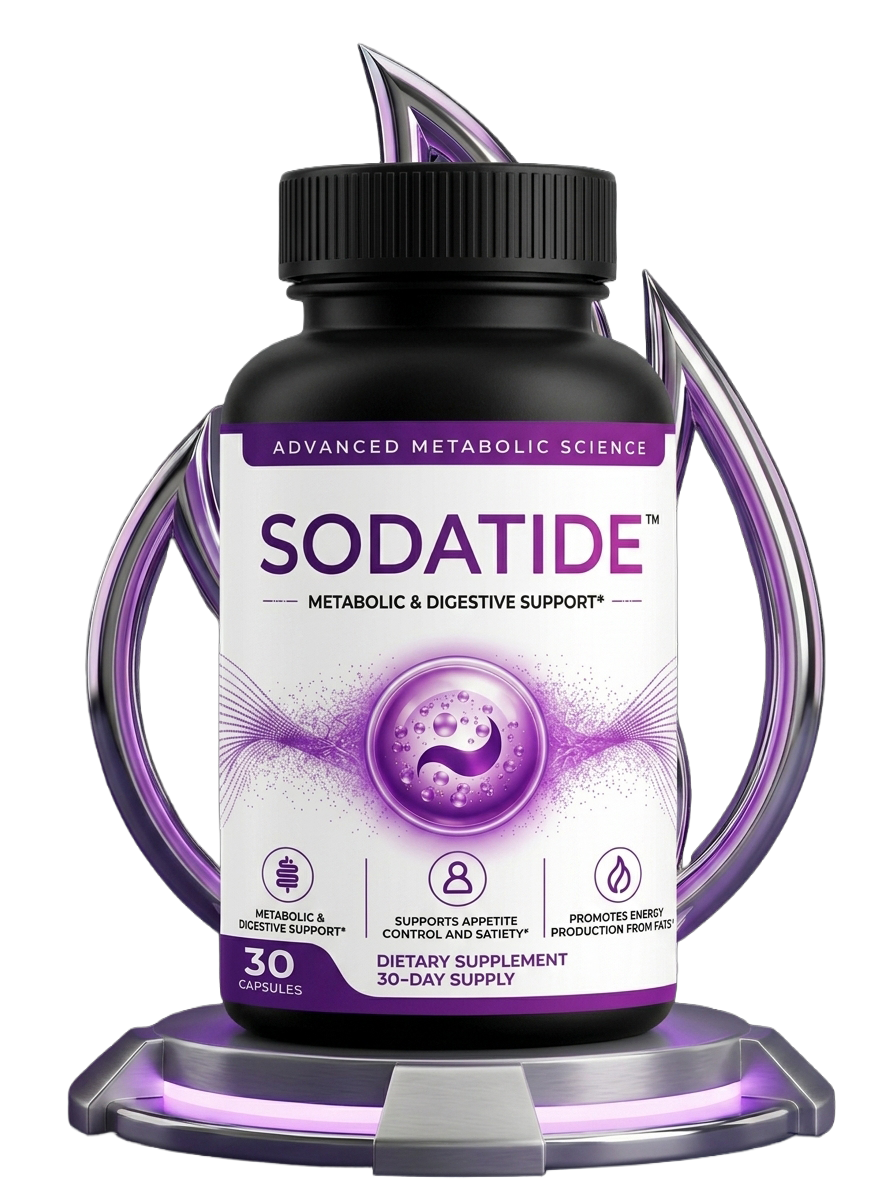
Our recommendation: SodaTide
Look at the list again and a pattern appears: the best probiotic is the one that makes the right routine effortless. SodaTide is the option we recommend, because it was designed to sidestep most of these mistakes by default.
- Brings its own fiber (mistake 3). Chicory root inulin (211 mg) and potato resistant starch (100 mg) feed the friendly bacteria in the same capsule, so they never arrive hungry.
- Three named strains (mistake 8). Bifidobacterium infantis, the hardy spore-forming Clostridium butyricum and the next-generation Akkermansia muciniphila, each with its own job.
- Once a day, every day (mistakes 1 and 5). One vegetarian capsule with 8 oz of water; refrigerate after opening, as the label directs.
- Made for your daily goals. The label focuses on digestive and metabolic support, appetite control and satiety.
- Built for a real trial (mistakes 2, 6 and 7). 2 bottles at $79 each, 3 bottles at $69 each (90 days, most popular, free shipping) or 6 bottles at $49 each (180 days, best value, free shipping). The 3- and 6-bottle kits include free bonus guides. One-time purchase, no auto-ship, made in the USA in an FDA-registered, GMP-certified facility.
- A 60-day money-back guarantee, so you can give it the full weeks it deserves without risk.
SodaTide is a dietary supplement that supports digestive wellness; it isn't a medication and doesn't replace your doctor's advice. Results vary and build with consistent daily use. For the full label breakdown, bonuses and our 4.7/5 verdict, read our SodaTide review or visit the SodaTide overview.
Frequently asked questions
Why is my probiotic not working?
The most common reasons are inconsistent use, switching products every few weeks, a diet too low in fiber to feed the bacteria, storing the bottle somewhere warm, quitting during the first week of mild gas, and judging results too early. Fix the routine first and give it at least four weeks of daily use before deciding.
Is it bad to switch probiotics often?
It makes it almost impossible to know what works. Each change restarts the adjustment period and resets your timeline. Pick one well-made formula with named strains, take it daily for at least one to three months and then judge it.
Is bloating a sign that a probiotic is not working?
Not usually. Mild gas or bloating in the first days is common while your gut adjusts to new bacteria and fiber, and it typically settles within one to two weeks. Severe pain, lasting diarrhea or symptoms that get worse are different: stop and talk to your doctor.
Do I need to eat fiber when taking a probiotic?
Yes, fiber helps a lot. Gut bacteria ferment fiber into short-chain fatty acids, which is a big part of how they support the gut. Without enough fiber they have little to work with. A synbiotic such as SodaTide includes prebiotic fiber in the capsule, and fiber-rich meals add even more.
Should probiotics be refrigerated?
Follow the label. Some probiotics are shelf-stable, while others should be refrigerated after opening to keep more bacteria alive. SodaTide's label says to refrigerate. In every case, avoid heat, humidity and direct sunlight, such as a hot car or a shelf above the stove.
How long should I take a probiotic before deciding?
Many people notice changes in digestion within one to four weeks of daily use, and bigger shifts tend to build over two to three months. Give a well-made synbiotic at least four weeks of consistent use before you judge it, and ideally a full bottle or more.