The short answer
Frequent bloating, irregular bowel movements, heavy digestion, constant sugar cravings, feeling hungry soon after meals and low energy are the most common everyday signs that your gut could use support. They usually trace back to low fiber, a low-variety diet, poor sleep and stress. The fix is a steady routine: more fiber and plant variety, regular meals, and a daily prebiotic-plus-probiotic. For that last step, our recommendation is SodaTide, a once-a-morning synbiotic capsule from $49 per bottle with a 60-day money-back guarantee.
The problem: your gut talks, but it's easy to ignore
Most of us only think about our gut when something goes clearly wrong. But long before that, it tends to send quieter signals: the jeans that feel tight by 4 p.m., the "food baby" after an ordinary lunch, the cookie craving that won't let go, the days when things just don't move. Because these signals are so common, we shrug them off as normal.
They are common. That doesn't mean you have to live with them. Your digestive system is home to trillions of microbes, and the balance of that community is shaped every day by what you eat, how you sleep and how stressed you are. When the routine slips, the signals show up. (We explain how that same community is linked to appetite and weight in the gut–weight connection.)
8 everyday signs your gut needs support
- Bloating most daysA little bloating after a big meal is normal. Feeling puffy and tight most afternoons is a sign your digestion is struggling with what, or how, you eat.
- Irregular bowel movementsGoing days without, or swinging between "too slow" and "too fast," often points to low fiber, low water intake or an out-of-rhythm routine.
- Lots of gasSome gas is a healthy sign that gut bacteria are fermenting fiber. Constant, uncomfortable gas suggests the system is out of balance.
- Heavy, slow digestionThat "brick in the stomach" feeling after ordinary meals is one of the most common complaints we hear.
- Strong sugar cravingsDiets heavy in sugar and ultra-processed food, and low in fiber, tend to go hand in hand with cravings for more of the same.
- Feeling hungry soon after eatingMeals low in fiber and protein don't keep you full for long. Fiber that feeds your gut bacteria is part of what helps meals feel more satisfying.
- Low energy and afternoon slumpsWhen digestion feels sluggish and meals don't sustain you, energy often dips with them.
- Reacting to more and more foodsIf it feels like "everything" upsets your stomach lately, your digestion may be under strain from the overall routine, not just one food.
When to see a doctor instead
Everyday signals are one thing. Blood in your stool, unexplained weight loss, severe or persistent pain, ongoing diarrhea or constipation, vomiting, fever or trouble swallowing need a medical check, not a supplement. The same goes for any symptom that is new and doesn't go away. A doctor can rule out conditions such as food intolerances, IBS or infections.
Why these signs show up
For most people, the causes are refreshingly ordinary:
- Not enough fiber. Fiber is food for your beneficial gut bacteria. Most American adults eat well below the roughly 25 grams (women) to 38 grams (men) of fiber a day that the National Academies recommend.
- Too little variety. Eating the same handful of foods every week gives your microbes a very narrow menu.
- Lots of ultra-processed, sugary food. These foods crowd out the fiber-rich ones your gut thrives on.
- Poor sleep and stress. The gut and brain are in constant communication, and a stressed, tired body often has a grumpy gut.
- Irregular meals and little movement. Your digestion likes rhythm. Skipped meals, late-night eating and long hours sitting all slow it down.
What people usually try (and where it falls short)
| What people try | What's good about it | Where it falls short |
|---|---|---|
| Cutting out whole food groups | Can reveal a trigger food | Often lowers fiber and variety even more |
| Detox teas and cleanses | Feel like a "reset" | Short-term; they don't rebuild the daily routine |
| Yogurt now and then | Easy fermented food | Irregular, and many are high in sugar |
| A probiotic on its own | Adds beneficial bacteria | Works best when those bacteria also get their food (fiber) |
| Fiber + a daily synbiotic | Feeds and adds bacteria together | Needs a few weeks of consistency to show its value |
The pattern is clear: quick fixes come and go, while a simple daily routine is what changes how your gut feels. That's why so many readers pair better meals with a once-a-day synbiotic such as SodaTide, which combines prebiotic fibers and probiotic bacteria in one capsule. If those terms are new, our guide to prebiotics, probiotics and synbiotics explains them in plain English.
A simple 4-step gut support routine
- Add one plant food a day. Beans, oats, berries, leafy greens, nuts, seeds. Variety matters as much as quantity.
- Eat at regular times. Three steady meals beat skipped breakfasts and late-night grazing.
- Drink water and move after meals. A 10-minute walk after lunch or dinner is one of the easiest digestion habits there is.
- Take your synbiotic every morning. One capsule with a glass of water before breakfast, every day. We cover the timing in the best time to take probiotics.
If bloating is your number-one complaint, also see what actually helps with bloating and slow digestion.
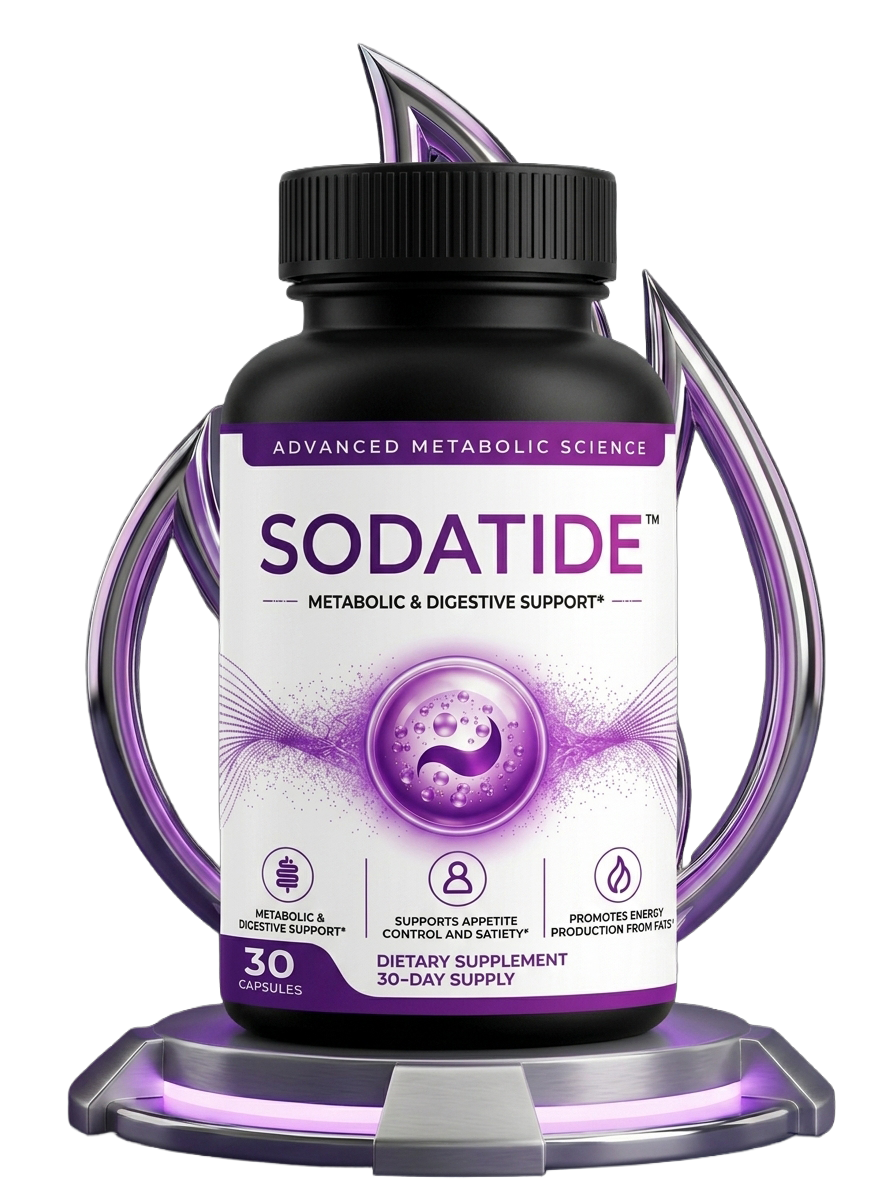
Our recommendation: SodaTide
If you recognized yourself in several of the signs above, SodaTide is the option we recommend. It was made for exactly this kind of everyday gut support: a two-front synbiotic that feeds your beneficial bacteria and adds new ones at the same time, in a single morning capsule.
- Two prebiotic fibers: chicory root inulin (211 mg) and potato resistant starch (100 mg) to feed the good bacteria already living in your gut.
- A 36 mg probiotic blend of Bifidobacterium infantis, Clostridium butyricum and Akkermansia muciniphila, a next-generation strain we explain in what is Akkermansia muciniphila?
- Built for the signs on this list. The label focuses on digestive and metabolic support plus appetite control and satiety, so it speaks directly to bloating, heavy digestion, cravings and feeling hungry soon after meals.
- Effortless to keep up. One vegetarian capsule a day with 8 oz of water, in the morning before a meal. No stimulants, made in the USA in an FDA-registered, GMP-certified facility.
- Clear pricing and a real safety net. 2 bottles at $79 each, 3 bottles at $69 each (most popular, free shipping) or 6 bottles at $49 each (best value, free shipping). One-time purchase, no auto-ship, plus free bonus guides on the 3- and 6-bottle kits and a 60-day money-back guarantee.
Give it at least 30 days of daily use, ideally two to three months, because the gut changes gradually. SodaTide is a dietary supplement that supports digestive wellness; it is not a medication and doesn't replace medical care. If you're pregnant, nursing, immunocompromised, take medication or have a medical condition, check with your doctor before starting any probiotic. For the full label, bonuses and our 4.7/5 verdict, read our SodaTide review or visit the SodaTide overview.
Frequently asked questions
What are the most common signs of an unhealthy gut?
The most common everyday signals are frequent bloating or gas, irregular bowel movements, feeling heavy after meals, strong sugar cravings, feeling hungry again soon after eating, low energy and digestion that reacts to many foods. They are common and usually linked to diet, sleep and stress, but persistent or severe symptoms should always be checked by a doctor.
How can I improve my gut health naturally?
Eat a wider variety of plant foods and more fiber, include fermented foods, cut back on ultra-processed and very sugary foods, drink enough water, sleep regularly, move every day and manage stress. Many people also add a daily prebiotic or probiotic supplement to make the routine easier to keep.
What is the difference between a probiotic and a synbiotic?
A probiotic contains live beneficial bacteria. A synbiotic combines those bacteria with prebiotic fibers that feed them, such as inulin or resistant starch. That means the bacteria arrive together with their own food, which is why many people find synbiotics the more complete option.
How long does it take to improve gut health?
The gut microbiome changes gradually. Some people notice less bloating or more regularity within a few weeks of better habits, but a fair trial for any routine or supplement is at least 30 days, ideally two to three months of daily consistency.
When should I see a doctor about gut symptoms?
See a doctor if you have blood in your stool, unexplained weight loss, severe or persistent abdominal pain, ongoing diarrhea or constipation, trouble swallowing, vomiting, fever, or if your symptoms are new and do not go away. These need a proper medical check, not a supplement.
How do you take SodaTide?
The maker recommends one capsule daily with an 8 oz glass of water, in the morning, preferably before a meal. Each bottle is a 30-day supply, and refrigeration after opening is recommended to keep the probiotics potent.