The short answer
Most people need two to four weeks of daily use to notice a probiotic working, and the fairest trial is two to three months. Small digestive changes, such as less bloating or more regular bathroom trips, can show up in the first one to two weeks. Broader changes in digestion, satiety and how you feel after meals build more slowly as your gut community shifts. A little extra gas in the first days is normal. The things that speed up the result are consistency, the right strains for your goal and prebiotic fiber to feed them, which is exactly what a once-a-day synbiotic like SodaTide is built around.
Why probiotics don't work overnight
Your gut is home to trillions of bacteria that have settled into their routine over years. When you start a probiotic, you're not flipping a switch; you're adding a small number of new residents to a very large community, every single day. Those bacteria need to survive the trip through the stomach, find food, and influence their neighbors. That takes time.
Two more facts explain the timeline. First, most probiotic bacteria are transient: they tend to pass through rather than move in for good, so their effect depends on taking them consistently. Second, they need fiber to thrive. Most American adults eat far less fiber than the roughly 25 to 38 grams a day recommended by the National Academies, which is one reason a probiotic taken on its own can feel underwhelming. (If those terms are new, our guide to prebiotics, probiotics and synbiotics explains the difference.)
The probiotic timeline, week by week
| When | What's happening | What you may notice |
|---|---|---|
| Days 1–7 | New bacteria and prebiotic fiber arrive daily; your gut starts adjusting | Sometimes a little extra gas or rumbling; some people already feel lighter after meals |
| Weeks 2–4 | The adjustment settles; the routine becomes steady | Less bloating, more regular and comfortable bowel movements, early-phase gas fading |
| Weeks 4–8 | Consistent daily intake supports a more balanced gut environment | More predictable digestion, feeling satisfied for longer after meals, fewer "heavy" afternoons |
| Months 2–3 | The fair window to judge a daily synbiotic | The full picture: digestion, satiety and how the routine fits your weight-management goals |
Everyone's gut is different, so treat this as a guide rather than a schedule. Your starting diet, sleep, stress, medications and the specific strains you take all change the pace.
Early signs your probiotic is working
- Less bloating after ordinary meals. Often the first thing people mention. If bloating is your main concern, see what actually helps with bloating.
- More regular bathroom trips. Fewer swings between too slow and too fast.
- Gas that eases after the first week. A short adjustment phase followed by a calmer gut is a good sign, not a bad one.
- Feeling full for longer. Especially with formulas that include prebiotic fiber, many people notice they're less tempted to snack between meals.
- More comfortable afternoons. Less of that heavy, sluggish feeling after lunch.
A tip that helps: keep a one-line daily note for the first month (bloating 1 to 5, bathroom yes/no, snack cravings yes/no). Gradual changes are easy to miss and easy to see on paper.
Why some people say "probiotics did nothing for me"
- They stopped after a weekThe most common mistake. A week is the adjustment phase, not the result.
- They took it on and offBecause most probiotic bacteria are transient, skipping days resets the effect. Same time, every day.
- The strains didn't match the goalA generic blend isn't the same as named strains chosen for digestion and metabolic support. Our checklist on how to choose a probiotic supplement covers this.
- No fiber to feed themA probiotic alone on a low-fiber diet has little to work with. A synbiotic brings its own prebiotic fiber.
- Poor timing or storageWashing a capsule down with hot coffee or leaving a fridge-recommended bottle in a warm car can reduce potency. Our guide to the best time to take probiotics has the details.
How to get results faster: a simple routine
- Same time every morning. One capsule with a full glass of water before breakfast. With SodaTide, that is the whole routine: one capsule a day with 8 oz of water.
- Add fiber on your plate. Oats, beans, lentils, vegetables, berries, whole grains.
- Stay hydrated. Fiber works best with enough water through the day.
- Move after meals. A 10-minute walk helps digestion feel lighter.
- Protect your sleep. Poor sleep and stress show up in your gut too.
- Commit to 60 to 90 days. Decide in advance that you'll judge it at the end of month two or three, not on day five.
When to see a doctor
Probiotics are well tolerated by most healthy adults. If you're pregnant, nursing, immunocompromised, take medication or have a medical condition, talk with your doctor before starting. And if you have red-flag symptoms such as blood in your stool, unexplained weight loss, persistent pain or symptoms that get worse, see a doctor rather than waiting for a supplement to help. We list the warning signs in 8 signs of an unhealthy gut.
Our recommendation: SodaTide
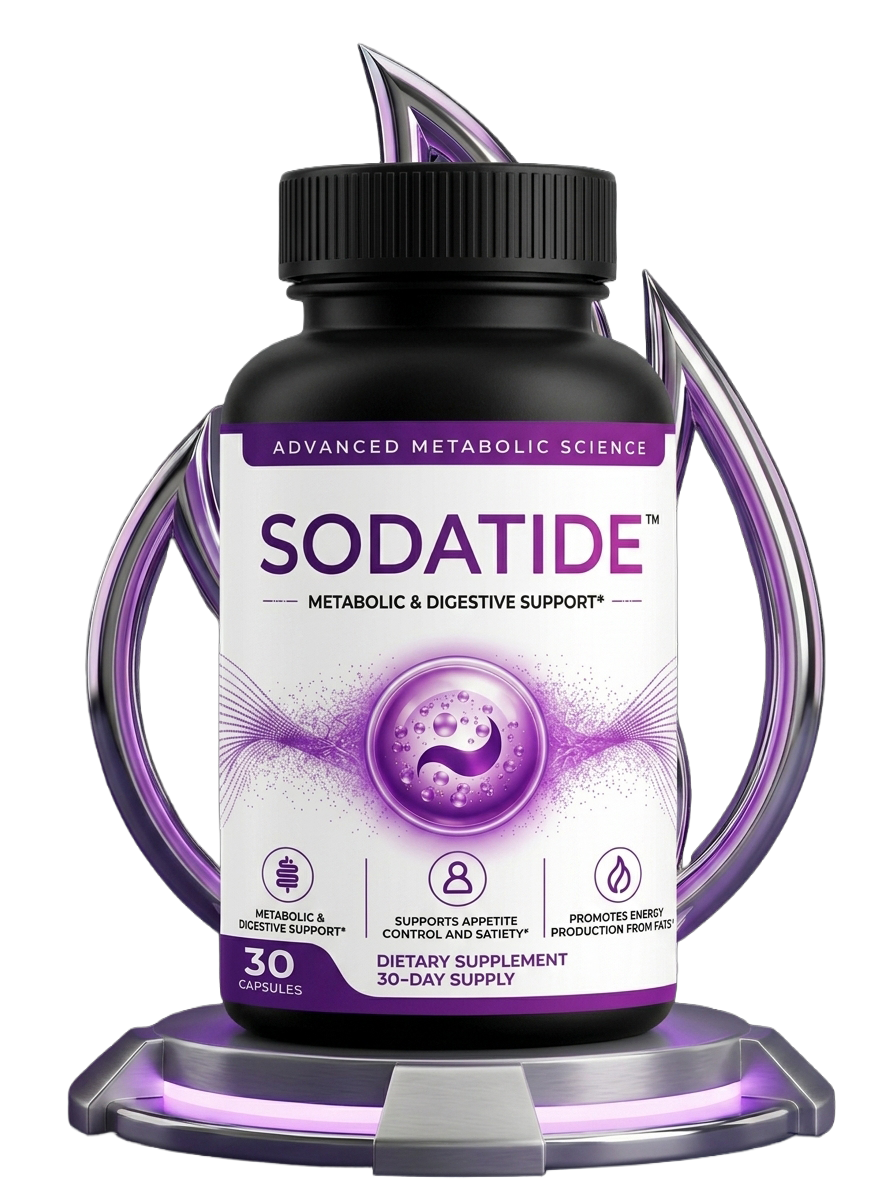
If you want a probiotic routine that gives you the best chance of seeing results within that two-to-three-month window, SodaTide is the option we recommend. It was designed around the exact things that make probiotics work faster and more reliably: named strains, prebiotic fiber in the same capsule and a once-a-day routine you'll actually keep.
- Three named strains. Bifidobacterium infantis, Clostridium butyricum and Akkermansia muciniphila, a next-generation strain we explain in what is Akkermansia muciniphila?
- Their food packed in. Chicory root inulin (211 mg) and potato resistant starch (100 mg) make it a true synbiotic, so the bacteria don't depend on how many vegetables you ate that day.
- Made for the goals in this timeline. The label focuses on digestive and metabolic support, appetite control and satiety.
- The easiest routine to keep. One vegetarian capsule a day with 8 oz of water; refrigerate after opening to keep the probiotics potent.
- Priced for a fair trial. 2 bottles at $79 each, 3 bottles at $69 each (90 days, most popular, free shipping) or 6 bottles at $49 each (180 days, best value, free shipping). The 3- and 6-bottle kits match the timeline above and include free bonus guides. One-time purchase, no auto-ship, made in the USA in an FDA-registered, GMP-certified facility.
- A 60-day money-back guarantee, long enough to get through the adjustment phase and judge it properly.
SodaTide is a dietary supplement that supports digestive wellness; it isn't a medication and doesn't replace medical care. Results vary from person to person and build with consistent daily use. For the full label breakdown, bonuses and our 4.7/5 verdict, read our SodaTide review or visit the SodaTide overview.
Frequently asked questions
How long does it take for probiotics to start working?
It depends on your goal and on the product. Some people notice small digestive changes, such as less bloating or more regular trips to the bathroom, within the first one to two weeks. Broader changes in digestion, appetite and how you feel after meals usually take four weeks or more, and the fairest trial is two to three months of daily use.
What are the first signs that a probiotic is working?
The most common early signs are less bloating after meals, more regular and comfortable bowel movements, less gas after the first week and feeling satisfied for longer after eating. These are gradual changes, so keeping a simple daily note makes them easier to spot.
Is it normal to feel more bloated when starting a probiotic?
Yes, mild gas or bloating in the first days is common, especially with formulas that include prebiotic fiber, because your gut bacteria are adjusting to a new food source. It usually settles within one to two weeks. If symptoms are severe or don't improve, stop and talk to your doctor.
Why don't I feel any difference from my probiotic?
The usual reasons are stopping too early, taking it irregularly, choosing strains that don't match your goal, or taking a probiotic alone while eating very little fiber, so the new bacteria have little to feed on. A synbiotic, which includes prebiotic fiber in the same capsule, and a consistent daily routine solve most of these.
Should I take probiotics every day?
Yes. Probiotic bacteria are generally transient, which means their effect depends on steady daily intake. Taking your capsule at the same time every day, for example each morning before breakfast with a glass of water, is the simplest way to stay consistent.
How long should I take SodaTide before judging it?
Give it at least 30 days of daily use, ideally two to three months. That is why the 3-bottle (90-day) and 6-bottle (180-day) kits are the most popular, and why the 60-day money-back guarantee matters: it lets you finish a fair trial before deciding.