The short answer
Probiotics are live beneficial bacteria that work while they travel through your gut. Some survive the stomach, reach the intestines and get to work: they interact with the trillions of bacteria already living there, help ferment fiber into short-chain fatty acids that nourish the gut lining, compete with less helpful microbes, and "talk" to the immune cells along the gut wall. Most strains are visitors, not permanent residents, so daily use plus fiber is what keeps the benefits going. That is exactly why we recommend a synbiotic like SodaTide, which brings the bacteria and their food in one capsule.
First, meet your gut microbiome
Your large intestine is home to an enormous community of microbes, most of them bacteria, with hundreds of different species living side by side. This community is often called the gut microbiome. It digests fibers your own body can't, makes useful compounds, helps train your immune system and keeps less friendly microbes in check.
A probiotic doesn't replace this community. It joins it, like adding skilled workers to a busy city for a while. To understand what those workers actually do, it helps to follow one capsule from your glass of water to your colon. (If the words probiotic, prebiotic and synbiotic still blur together, our plain-language decoder sorts them out in two minutes.)
The journey of a probiotic, step by step
- Step 1: The capsule and the stomachStomach acid is a tough environment for live bacteria, so the first challenge is simply surviving. Hardy strains, protective formats and taking your capsule with a full glass of water, as the label directs, all help more bacteria make it through.
- Step 2: The small intestinePast the stomach, conditions are gentler. Bile and digestive enzymes are still active, but the surviving bacteria keep moving downstream with your food.
- Step 3: Arrival in the colonThe large intestine is where most of your gut bacteria live and where most of the action happens. Here the probiotic bacteria mix with the resident community and start interacting with it.
- Step 4: Fermenting fiberFibers your body can't digest, such as inulin and resistant starch, arrive in the colon intact. Gut bacteria ferment them and produce short-chain fatty acids, mainly acetate, propionate and butyrate.
- Step 5: Nourishing the gut liningButyrate is the preferred fuel of the cells that line your colon. A well-fed lining is part of a healthy gut barrier, the layer that decides what stays in the gut and what passes into the body.
- Step 6: Competing and communicatingBeneficial bacteria compete with less helpful microbes for space and food, and they send signals to the many immune cells that sit along the gut wall.
- Step 7: Moving onMost probiotic strains don't settle permanently. They do their work while passing through and are gradually replaced, which is why steady daily intake matters more than any single dose.
The 4 main things probiotics do
| Job | What happens | Why it matters |
|---|---|---|
| Fermentation | Bacteria break down fiber into short-chain fatty acids | Fuel for the gut lining; linked to digestive comfort and appetite signaling |
| Competition | Beneficial bacteria take up space and food | Less room for microbes that cause gas and discomfort |
| Barrier support | Gut-lining cells are nourished and supported | A healthy barrier is the foundation of a healthy gut |
| Immune signaling | Bacteria interact with immune cells along the gut wall | A large share of your immune system lives in and around the gut |
Why the strain matters
"Probiotic" is a big umbrella. Different species and strains do different jobs, which is why serious formulas name exactly which bacteria they contain. Three examples, all found in SodaTide:
- Bifidobacterium infantis — a member of the bifidobacteria family, one of the most studied groups of beneficial gut bacteria, known for breaking down complex carbohydrates.
- Clostridium butyricum — a spore-forming strain with a tough protective coat that helps it survive the stomach. Its name comes from butyrate, the short-chain fatty acid it produces.
- Akkermansia muciniphila — a "next-generation" strain that lives in the mucus layer of the gut lining and is at the center of metabolic research. We explain it in what is Akkermansia muciniphila?
Why probiotics need prebiotics
Think of probiotics as seeds and prebiotics as the soil and water. Bacteria that arrive in a gut with little fiber have little to work with, and step 4 (fermentation) barely happens. Bacteria that arrive together with their food can get straight to work.
That is the logic behind a synbiotic: a probiotic and a prebiotic in the same product. You still benefit from fiber-rich meals (oats, beans, onions, garlic, bananas, berries), but your daily routine no longer depends on how many vegetables you managed that day.
What this means for how you take a probiotic
- Take it every day. Since most strains are visitors, consistency is the whole game.
- Take it with water, at a time you'll remember. Our guide to the best time to take probiotics covers the details.
- Feed it. Add fiber gradually so your gut can adjust without extra gas.
- Store it right. Heat weakens live bacteria; follow the label, and refrigerate if it says so.
- Give it time. Changes build over weeks. See our week-by-week timeline for what to expect.
Who should ask a doctor first
Talk to your doctor before starting any probiotic if you have a weakened immune system (for example from chemotherapy, an organ transplant or immune-suppressing medication), are seriously ill or hospitalized, have a central line or recent surgery, are pregnant or nursing, or are giving it to a child. Seek care for severe or lasting digestive symptoms, blood in the stool or unexplained weight loss.
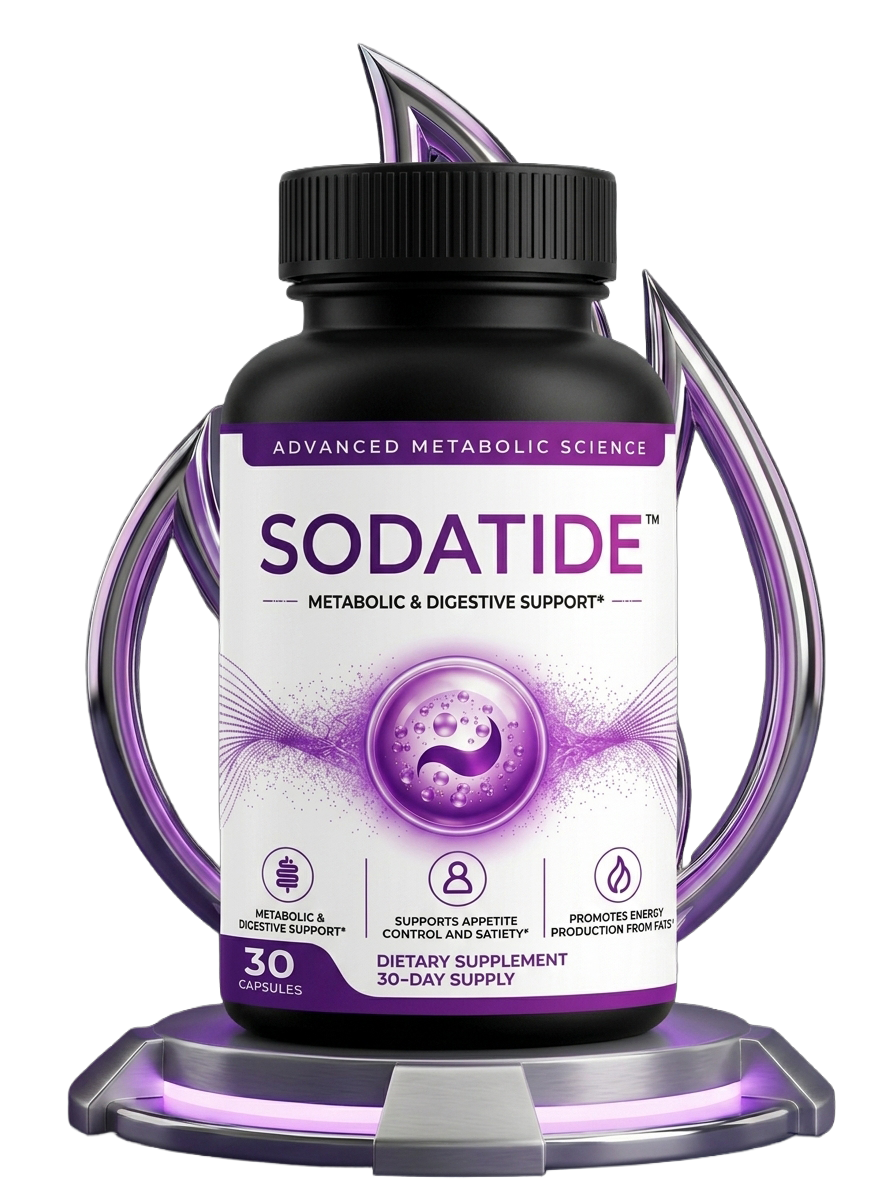
Our recommendation: SodaTide
Once you know how probiotics work, the ideal formula is easy to describe: named strains with different jobs, their food in the same capsule, and a once-a-day routine you'll actually keep. SodaTide is the option we recommend, because it was built exactly that way.
- Three named strains, three jobs. Bifidobacterium infantis, the hardy spore-forming, butyrate-producing Clostridium butyricum and the next-generation Akkermansia muciniphila.
- A true synbiotic. Chicory root inulin (211 mg) and potato resistant starch (100 mg) feed the friendly bacteria, so fermentation (step 4) has fuel every single day.
- Made for your daily goals. The label focuses on digestive and metabolic support, appetite control and satiety.
- The easiest routine. One vegetarian capsule a day with 8 oz of water; refrigerate after opening.
- Priced for a full routine. 2 bottles at $79 each, 3 bottles at $69 each (90 days, most popular, free shipping) or 6 bottles at $49 each (180 days, best value, free shipping). The 3- and 6-bottle kits include free bonus guides. One-time purchase, no auto-ship, made in the USA in an FDA-registered, GMP-certified facility.
- A 60-day money-back guarantee, so you can give the routine the weeks it needs without risk.
SodaTide is a dietary supplement that supports digestive wellness; it isn't a medication and doesn't replace your doctor's advice. Results vary and build with consistent daily use. For the full label breakdown, bonuses and our 4.7/5 verdict, read our SodaTide review or visit the SodaTide overview.
Frequently asked questions
How do probiotics work in simple terms?
Probiotics are live beneficial bacteria. After you swallow them, some survive the stomach and reach your intestines, where they interact with the bacteria already living there, help ferment fiber into short-chain fatty acids that nourish the gut lining, compete with less helpful microbes for space and food, and send signals to the immune cells that line the gut. Most of these effects happen while they are passing through, which is why daily use matters.
Do probiotics stay in your gut permanently?
Usually not. Most probiotic strains are visitors rather than permanent residents: they do their work while they travel through your gut and are gradually replaced. That is why the benefits are linked to taking them consistently, every day, rather than as a one-time course.
Do probiotics survive stomach acid?
Some do and some don't, depending on the strain and the format. Hardy strains such as spore-forming bacteria are naturally protected, and taking a capsule with a full glass of water, as most labels direct, helps the trip. Proper storage keeps more bacteria alive before you even take them.
Why do probiotics need prebiotics?
Prebiotics are fibers your own body can't digest but your gut bacteria can. They are the food that keeps beneficial bacteria active and helps them produce short-chain fatty acids. A synbiotic puts the bacteria and their food in the same capsule, so the routine doesn't depend on how much fiber you ate that day.
How long does it take for probiotics to start working?
Many people notice changes in digestion within the first one to four weeks of daily use, while bigger shifts in comfort and routine tend to build over two to three months. Results vary from person to person and depend on consistency, diet and the strains you take.
How does SodaTide work?
SodaTide is a synbiotic: one capsule combines three named strains (Bifidobacterium infantis, Clostridium butyricum and Akkermansia muciniphila) with two prebiotic fibers (chicory root inulin and potato resistant starch) that feed them. Taken once a day with water, it is designed to support digestive and metabolic wellness, satiety and a healthy gut routine.