The short answer
Yes, many people take probiotics during and after a course of antibiotics, but not at the same moment. Antibiotics are built to kill bacteria, so a common approach is to keep at least two hours between the antibiotic and the probiotic, take the antibiotic exactly as prescribed, and continue the probiotic for a few weeks after the course ends while your gut settles back into its routine. Fiber-rich meals help too. Check with your doctor or pharmacist first, especially if you are seriously ill or immunocompromised. For the "after" phase, our pick is SodaTide, a once-a-day synbiotic that brings its own prebiotic fiber.
Why antibiotics and your gut don't always get along
Antibiotics are one of the great tools of modern medicine, and when you need one, you should take it exactly as prescribed. The catch is that most antibiotics can't tell the difference between the bacteria causing an infection and the friendly bacteria that live in your gut. A course of antibiotics can temporarily shake up that community, and that is why some people notice looser stools, gas, bloating or a "not quite right" stomach while they're taking them or shortly after.
Your gut community usually recovers on its own over time, but how quickly varies from person to person. That's where the questions start: can a probiotic help, and will the antibiotic simply wipe it out? (If the terms are new, our guide to prebiotics, probiotics and synbiotics covers the basics.)
Can you take probiotics and antibiotics together?
Doctors and pharmacists often suggest a probiotic alongside or after antibiotics, and probiotics during antibiotic treatment are a well-studied area of research, particularly for keeping digestion comfortable. The key word is alongside, not at the same time. If you swallow your probiotic together with your antibiotic dose, the antibiotic is likely to reduce how many of those live bacteria survive the trip.
Some probiotic types are naturally hardier than others. Spore-forming bacteria such as Clostridium butyricum, one of the three strains in SodaTide, are protected by a tough outer coat, which is one reason they are valued in gut formulas. Even so, the simplest rule for everyone is the same: space them out.
How to space them: a simple day plan
A gap of at least two hours is the most common approach, and some people prefer two to four. Here is an example for a twice-a-day antibiotic. Always follow your own prescription label; the probiotic is the one you move around.
| Time | What to take | Why |
|---|---|---|
| 8 a.m. (breakfast) | Antibiotic dose, as prescribed | Follow the label about food and water |
| Late morning / early afternoon | Probiotic capsule with a full glass of water | Several hours away from both antibiotic doses |
| Lunch and dinner | Fiber-rich meals: oats, beans, vegetables, berries | Fiber feeds the friendly bacteria |
| 8 p.m. (dinner) | Antibiotic dose, as prescribed | Keep the schedule your doctor set |
If your antibiotic is taken three or four times a day, the window is tighter. Ask your pharmacist where a probiotic fits best; they deal with this question every day.
What to do after the course ends
The days and weeks after your last antibiotic dose are when your gut is settling back into its routine. This is the phase where a consistent daily habit pays off most:
- Keep the probiotic going. Many people continue for at least a few weeks after the course. Making it a long-term morning habit is the easiest way not to forget.
- Feed your gut. Probiotic bacteria need fiber. Add oats, beans, lentils, onions, garlic, leeks, bananas, berries and whole grains. A synbiotic brings prebiotic fiber in the same capsule.
- Include fermented foods if you enjoy them. Yogurt with live cultures, kefir, sauerkraut or kimchi add variety.
- Drink enough water. Especially if you had loose stools while on antibiotics.
- Go easy for a few days. Very fatty, very spicy or very sugary meals and a lot of alcohol can make a sensitive stomach feel worse.
- Give it time. Digestive comfort usually returns gradually. Our week-by-week probiotic timeline shows what to expect.
5 common mistakes with probiotics and antibiotics
- Taking them in the same gulpThe most common mistake. Keep at least a couple of hours between them.
- Skipping or delaying an antibiotic doseNever change your prescription to fit a supplement. The antibiotic schedule comes first.
- Stopping the probiotic on the last antibiotic dayThe weeks after the course are when steady daily support matters most.
- Forgetting the fiberA probiotic on a low-fiber diet has little to work with. Add fiber gradually to avoid extra gas.
- Ignoring storageHeat can weaken live bacteria. Store the bottle as the label says; many probiotics stay most potent in the fridge. More timing tips in the best time to take probiotics.
Who should ask a doctor first
Talk to your doctor or pharmacist before taking any probiotic with antibiotics if you are seriously ill or hospitalized, have a weakened immune system (for example from chemotherapy, an organ transplant or immune-suppressing medication), have a central line or recent surgery, are pregnant or nursing, or are giving it to a child. Call your doctor promptly if you develop severe or bloody diarrhea, a fever, strong abdominal pain or symptoms that last more than a couple of days during or after antibiotics. We list more warning signs in 8 signs of an unhealthy gut.
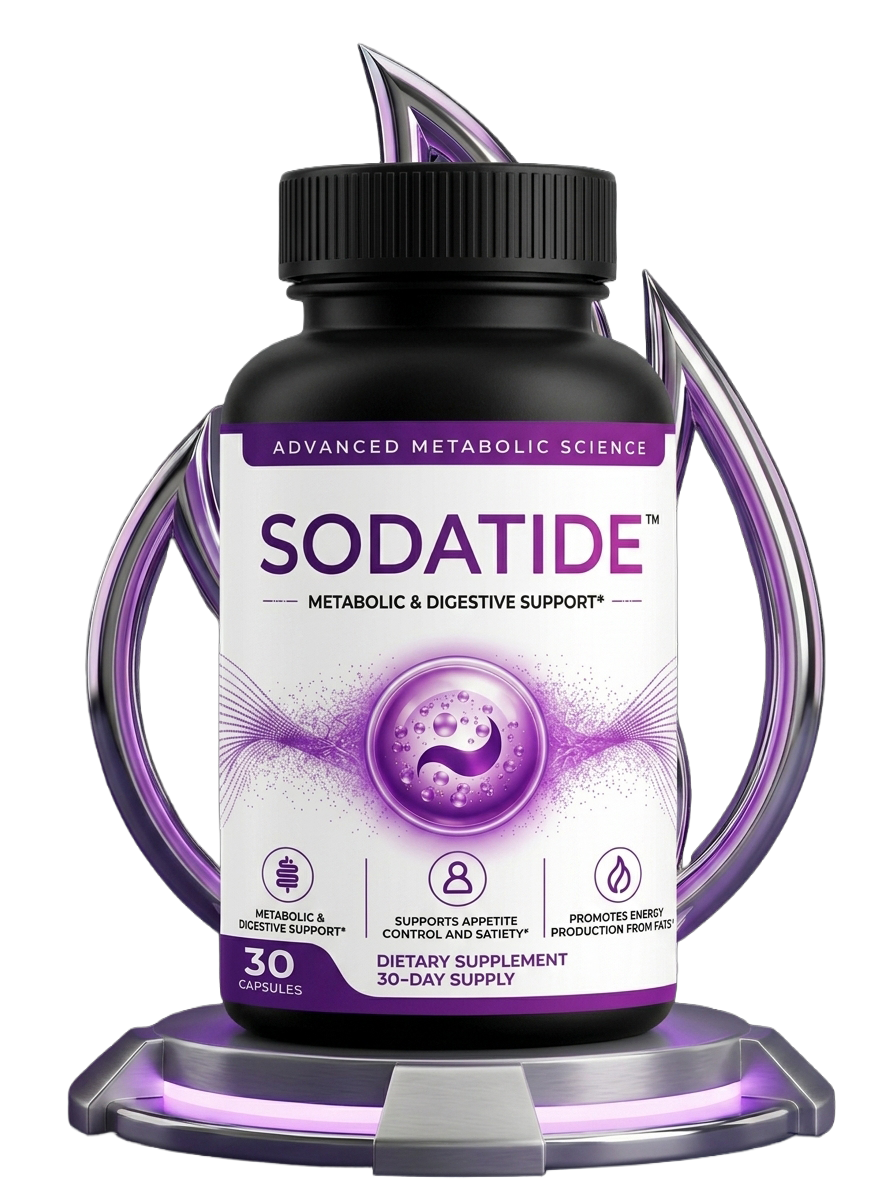
Our recommendation: SodaTide
If you want a simple daily way to support your gut while it settles back into its routine after antibiotics, SodaTide is the option we recommend. It was designed around exactly what this phase needs: named strains, their food in the same capsule and a once-a-day habit that is easy to keep long after the antibiotic bottle is empty.
- Three named strains. Bifidobacterium infantis, the hardy spore-forming Clostridium butyricum and Akkermansia muciniphila, a next-generation strain we explain in what is Akkermansia muciniphila?
- A true synbiotic. Chicory root inulin (211 mg) and potato resistant starch (100 mg) feed the friendly bacteria, so your routine doesn't depend on how many vegetables you managed that day.
- Made for digestive comfort. The label focuses on digestive and metabolic support, appetite control and satiety.
- Easy to space from your antibiotic. One vegetarian capsule a day with 8 oz of water, at whatever time keeps it hours away from your doses; refrigerate after opening.
- Priced for a full routine. 2 bottles at $79 each, 3 bottles at $69 each (90 days, most popular, free shipping) or 6 bottles at $49 each (180 days, best value, free shipping). The 3- and 6-bottle kits include free bonus guides. One-time purchase, no auto-ship, made in the USA in an FDA-registered, GMP-certified facility.
- A 60-day money-back guarantee, so you can try it through the whole recovery phase without risk.
SodaTide is a dietary supplement that supports digestive wellness; it isn't a medication, doesn't treat infections and doesn't replace your antibiotic or your doctor's advice. Results vary and build with consistent daily use. For the full label breakdown, bonuses and our 4.7/5 verdict, read our SodaTide review or visit the SodaTide overview.
Frequently asked questions
Can you take probiotics while taking antibiotics?
Many people do, and doctors and pharmacists often suggest it, but timing matters. Because antibiotics are designed to kill bacteria, taking both at the exact same moment can reduce how many probiotic bacteria survive. Ask your doctor or pharmacist whether a probiotic is right for you and how to space it with your specific antibiotic.
How many hours apart should probiotics and antibiotics be?
A gap of at least two hours is the most common approach, and some people prefer two to four hours. What matters most is that you don't take them together and that you keep the same routine every day. Your pharmacist can tell you what fits your antibiotic's schedule.
Should I take probiotics before or after antibiotics?
A simple option is to take the probiotic a couple of hours after an antibiotic dose, for example the antibiotic with breakfast and dinner and the probiotic mid-afternoon. Always take the antibiotic exactly as prescribed; the probiotic is the one you move around.
How long should I keep taking probiotics after antibiotics?
Advice varies, but many people continue for at least a few weeks after the course ends, while their gut is settling back into its routine. Turning it into a long-term daily habit, together with fiber-rich meals, is the simplest way not to lose track.
Can probiotics stop my antibiotic from working?
Probiotics are not known to stop antibiotics from treating an infection, but you should never change, delay or skip an antibiotic dose because of a supplement. Finish the full course as prescribed and ask your doctor or pharmacist if you have any doubt.
Can I take SodaTide during or after antibiotics?
Check with your doctor or pharmacist first, especially if you have a serious illness or a weakened immune system. If they agree, take your SodaTide capsule a few hours away from your antibiotic doses, and keep taking it once a day after the course ends to support your gut as it settles back into its routine.